
Packing machines in Pakistan have become an essential part of modern industrial growth, especially as businesses focus more on speed, accuracy, and cost reduction. The keyword Packing machines in Pakistan is closely linked with how local industries are transforming traditional manual packaging into automated and efficient systems.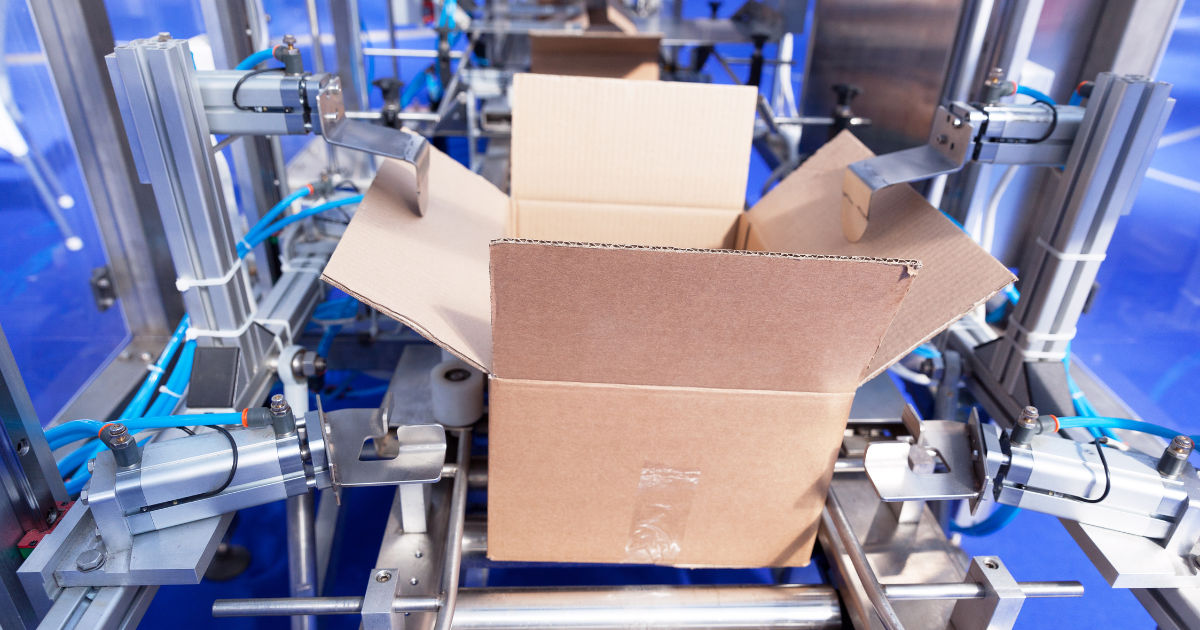
The demand for faster production lines in food, pharmaceuticals, textiles, and agriculture has increased significantly. Because of this, Packing machines in Pakistan are now seen as a necessity rather than a luxury. These machines help businesses maintain consistent quality, reduce waste, and deliver products to the market more quickly. As industries expand, Packing machines in Pakistan continue to support manufacturers in meeting both local and international standards.
This blog will explore in detail how these machines increase efficiency, improve output, reduce labor pressure, and support long-term industrial growth in a simple and easy-to-understand way for 12th-grade readers.
Overview of Industrial Packaging in Pakistan
Industrial packaging has evolved rapidly over the last decade. Earlier, most companies relied on manual labor, which often led to errors, delays, and inconsistent packaging quality. Now, Packing machines in Pakistan have changed the entire system by introducing automation and precision.
Modern industries require large-scale production, and manual methods are no longer enough. This is why Packing machines in Pakistan are widely used in factories dealing with food items, grains, liquids, powders, and consumer goods. These machines ensure that every product is packed with uniform size, weight, and sealing quality.
Another important reason for the rise of Packing machines in Pakistan is globalization. Pakistani products must meet international packaging standards to compete in global markets. Without advanced packaging systems, it becomes difficult for companies to export goods. Therefore, Packing machines in Pakistan help businesses stay competitive and reliable.
In addition, industries are now focusing on reducing human error. Even a small mistake in packaging can lead to financial loss. With Packing machines in Pakistan, companies can avoid such risks and ensure smooth production flow.
Efficiency Factors in Modern Packaging Systems
Efficiency is the most important reason why industries invest in Packing machines in Pakistan. These machines are designed to complete tasks faster than human labor while maintaining high accuracy.
One major efficiency factor is speed. Packing machines in Pakistan can package hundreds or even thousands of units per hour, depending on the machine type. This level of speed is impossible to achieve manually.
Another factor is consistency. Unlike humans, machines do not get tired or lose focus. Packing machines in Pakistan ensure that every product is packed in the same way, which improves brand trust and customer satisfaction.
Energy efficiency is also improving in modern systems. New models of Packing machines in Pakistan consume less power while delivering higher output. This helps companies reduce operational costs.
Additionally, these machines reduce material waste. Precise measurements ensure that packaging materials are used efficiently. As a result, Packing machines in Pakistan help businesses save resources and improve profitability.
Finally, efficiency also includes reduced downtime. Advanced systems are designed for continuous operation with minimal maintenance interruptions, making Packing machines in Pakistan a reliable choice for industries.
Automation and Its Role in Productivity
Automation has completely changed industrial production systems. The introduction of Packing machines in Pakistan has allowed companies to automate repetitive tasks that were previously done manually.
Automation reduces the need for large labor forces. Instead of hiring many workers for packaging, companies can rely on a few operators to manage Packing machines in Pakistan. This significantly increases productivity.
Another benefit of automation is accuracy. Machines follow programmed instructions, which reduces the chances of human error. This is why Packing machines in Pakistan are widely used in industries where precision is important, such as pharmaceuticals and food processing.
Automation also improves production speed. When machines operate continuously without breaks, output increases significantly. Packing machines in Pakistan are designed to handle high-volume production without compromising quality.
Moreover, automated systems improve workplace safety. Workers are less exposed to repetitive strain injuries and hazardous materials. This makes Packing machines in Pakistan a safer alternative to manual packaging methods.
Overall, automation through Packing machines in Pakistan is one of the key drivers of industrial growth and efficiency.
Cost Efficiency and Economic Benefits
One of the major advantages of Packing machines in Pakistan is cost efficiency. Although the initial investment may be high, the long-term savings are significant.
Labor cost reduction is one of the biggest benefits. Companies no longer need large packaging teams because Packing machines in Pakistan handle most of the workload. This reduces monthly salary expenses.
Material savings also contribute to cost efficiency. These machines measure exact quantities, reducing overuse of packaging materials. As a result, Packing machines in Pakistan help businesses save money on raw materials.
Maintenance costs are relatively low compared to manual labor inefficiencies. Modern machines are designed for durability, ensuring long-term usage with minimal repair needs.
Energy-efficient models of Packing machines in Pakistan also help reduce electricity bills, making them suitable for both small and large businesses.
In addition, faster production leads to higher sales. With improved output, companies can meet market demand quickly, increasing revenue. This is another reason why Packing machines in Pakistan are considered a smart investment.
Impact on Labor Productivity
Labor productivity is greatly improved with the use of Packing machines in Pakistan. Instead of focusing on repetitive tasks, workers can now perform more skilled jobs.
Machine operators are trained to manage and monitor Packing machines in Pakistan, which requires less physical effort but more technical understanding. This improves the overall skill level of the workforce.
Workers become more efficient because they are no longer overloaded with manual packaging tasks. This leads to better performance in other areas such as quality control and machine supervision.
Another important point is reduced fatigue. Manual packaging often causes tiredness and reduces productivity over time. With Packing machines in Pakistan, workers can maintain energy levels throughout their shifts.
Additionally, fewer errors occur when machines handle packaging. This reduces the need for rework and increases overall productivity. Therefore, Packing machines in Pakistan play a key role in improving workforce efficiency.
Quality Control and Product Consistency
Quality control is one of the strongest advantages of Packing machines in Pakistan. In industries where product quality is critical, consistency is very important.
These machines ensure that every package is sealed properly, labeled correctly, and filled with accurate quantity. This level of precision is difficult to achieve manually.
Packing machines in Pakistan also reduce contamination risks, especially in food and pharmaceutical industries. Since human contact is minimized, hygiene levels improve significantly.
Another important aspect is uniformity. Customers expect every product to look the same. Packing machines in Pakistan ensure that packaging appearance remains consistent across all units.
Quality control systems in modern machines also include sensors and automated checks. These features help detect errors early and prevent faulty products from reaching the market.
Overall, Packing machines in Pakistan help businesses maintain strong brand reputation by ensuring high-quality packaging standards.
Industrial Applications Across Different Sectors
Packing machines in Pakistan are used in a wide range of industries, making them highly versatile.
In the food industry, these machines are used for packing snacks, grains, spices, and frozen items. They ensure freshness and hygiene.
In pharmaceuticals, Packing machines in Pakistan are essential for packaging tablets, capsules, and syrups with high precision and safety standards.
The textile industry also benefits from these machines for packaging garments and fabrics efficiently.
Agriculture is another major sector where Packing machines in Pakistan are used for seeds, fertilizers, and animal feed.
Even small businesses and startups are now adopting Packing machines in Pakistan to improve their packaging quality and compete in the market.
This wide range of applications shows how important these machines have become in modern industrial systems.
Challenges and Limitations
Despite many advantages, there are still some challenges associated with Packing machines in Pakistan.
The initial cost of purchasing machines can be high for small businesses. This makes it difficult for startups to invest immediately.
Technical maintenance is another challenge. Packing machines in Pakistan require trained technicians for repairs and servicing.
Power supply issues in some regions can also affect machine performance, especially in areas with unstable electricity.
Additionally, operators need proper training to handle advanced systems. Without training, the efficiency of Packing machines in Pakistan may not be fully achieved.
However, with proper planning and support, these challenges can be managed effectively.
Future Trends in Packaging Technology
The future of Packing machines in Pakistan is very promising as technology continues to advance.
Artificial intelligence and smart sensors are expected to improve machine accuracy and automation levels. This will make Packing machines in Pakistan even more efficient.
Sustainability is another growing trend. Future machines will focus on reducing waste and using eco-friendly packaging materials.
Digital monitoring systems will also allow real-time tracking of production performance. This will help companies manage Packing machines in Pakistan more effectively.
In addition, small and medium businesses will have more access to affordable machines, increasing adoption across industries.
Overall, innovation will continue to shape the future of Packing machines in Pakistan.
Conclusion
In conclusion, Packing machines in Pakistan have transformed the industrial packaging sector by improving speed, accuracy, and overall efficiency. They reduce labor costs, enhance productivity, and ensure consistent quality across different industries.
Businesses that invest in Packing machines in Pakistan benefit from higher output, reduced waste, and improved market competitiveness. These machines are no longer optional but essential for modern industrial growth.
As technology continues to evolve, Packing machines in Pakistan will become even more advanced, offering smarter, faster, and more sustainable solutions for businesses of all sizes.
The overall impact of Packing machines in Pakistan is clear: they are a key driver of efficiency and progress in the country’s industrial landscape.