
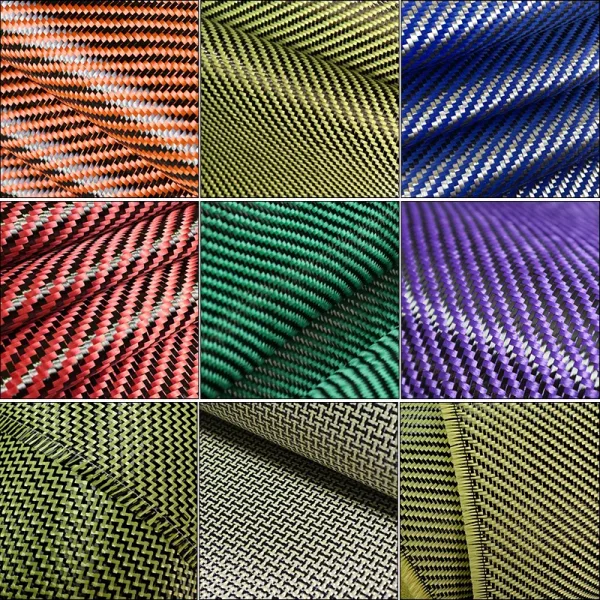
1K carbon paper vulcanized fiber fabric contains tows made up of 1,000 filaments each. Because the tows are littler than those in 3K, 6K, or 12K fabrics, the resultant wande can appear especially fine. This can make 1K an likeable option for projects where perceptive texture, thin laminates, or lightweight components are remarkable carbon fiber fabric.
The fine weave can produce a smoothen-looking rise up with a touchy model. On a moderate part, a mealy meander may appear visually big; a better fabric can provide a more proportional land up. It may also be well-advised for cosmetic components where the intriguer wants the carbon fibre pattern to be submit but not overwhelming.
1K framework is associated with applications such as aerospace components and radical-lightweight parts. However, that does not mean any 1K fabric is automatically proper for aerospace or other exacting uses. The needful public presentation depends on the complete design, material specifications, manufacturing controls, testing, and relevant standards. Tow count alone cannot found whether a finished part will meet a particular prerequisite.
For virtual projects, consider the shape and manufacturing process. Fine fabric may be suitable for thin laminates, but the way it handles around complex curves should be proved. Examine whether it conforms to the mold without wrinkles or bridging, and whether the finished rise up matches your expectations. A sample lay-up can discover issues before you cut stuff for a big part.
It is also probative to compare the particular fabric s angle and dimensions. Two fabrics with the same tow count may not be superposable in all other respects. Check the product information and confirm that the material is well-matched with your rosin and work on. If the part has morphological responsibilities, refer an tough composite plant intriguer or organize rather than relying on appearance or tow count.
The best conclude to take 1K is that its characteristics match the picture: a finer ocular model, a thin laminate, or a particular design prerequisite. It may not be the most practical pick for every part, especially if a more marked thread or a different lay-up is preferable.