
The area of photonics has actually witnessed exceptional innovations, especially in the development of numerous modulators that play vital roles in many optical applications. Among these, fiber acousto-optic modulators (AOMs) and their many variations, such as space AOMs and free-space AOMs, attract attention because of their flexibility and performance. An acousto-optic modulator uses sound waves to manage the strength, frequency, or phase of light travelling through a tool, supplying an effective technique for pulse modulation. With the expanding demand for high-resolution and accuracy applications, these devices have become important in areas like telecoms, medical imaging, and clinical research study.
One of one of the most in-demand attributes in laser technology is ultra-narrow linewidth, frequently related to single-frequency lasers. These lasers create light with an exceptionally narrow spectral size, making them perfect for numerous complex applications, consisting of systematic communication systems and high-resolution spectroscopy. A fiber-coupled AOM, which integrates the AOM into a fiber optic system, supplies smooth combining with single-frequency fiber lasers. This combination shows the fad towards enhanced density and efficiency in optical systems without compromising efficiency.
The energy of fiber optic delay lines can not be overstated, specifically in creating innovative optical systems that require precise timing and synchronization. These delay lines harness the intrinsic buildings of optical fibers to handle light signals effectively, permitting designers and researchers to discover high-speed information transmission or complex timing experiments with minimal loss of fidelity. The electric optical fiber delay line offers as a main part in this context, promoting the adjustment of light signals to match specific requirements.
Discover Space acousto optic modulator the current advancements in photonics, concentrating on the essential duty of fiber acousto-optic modulators in improving laser applications, telecommunications, and precision optical systems for diverse industries.
Modulators are essential in laser systems, playing a crucial duty in transforming continuous wave outcomes into pulse formats. Acousto-optic Q-switch modulators serve this exact purpose, enabling quick modulation of laser outputs, which results in high-peak power pulses. This capacity is crucial in applications such as product handling, where accuracy and speed are vital. The option between an AOM and an electro-optic modulator (EOM) frequently occurs in conversations surrounding modulation strategies. While both serve the main function of pulse modulation, an AOM normally shows greater optical power managing capabilities and faster changing times compared to EOMs, making AOMs especially valuable in high-energy laser applications.
The distinction between acousto-optic buttons and modulators is an important facet of recognizing just how these devices work in different scenarios. Acousto-optic switches efficiently redirect beams, thus allowing various routing performances within optical systems. In comparison, a modulator adjusts the light’s buildings, directly impacting the beam of light’s characteristics. This difference defines their corresponding duties in laser systems and highlights the variety of applications each device provides to.
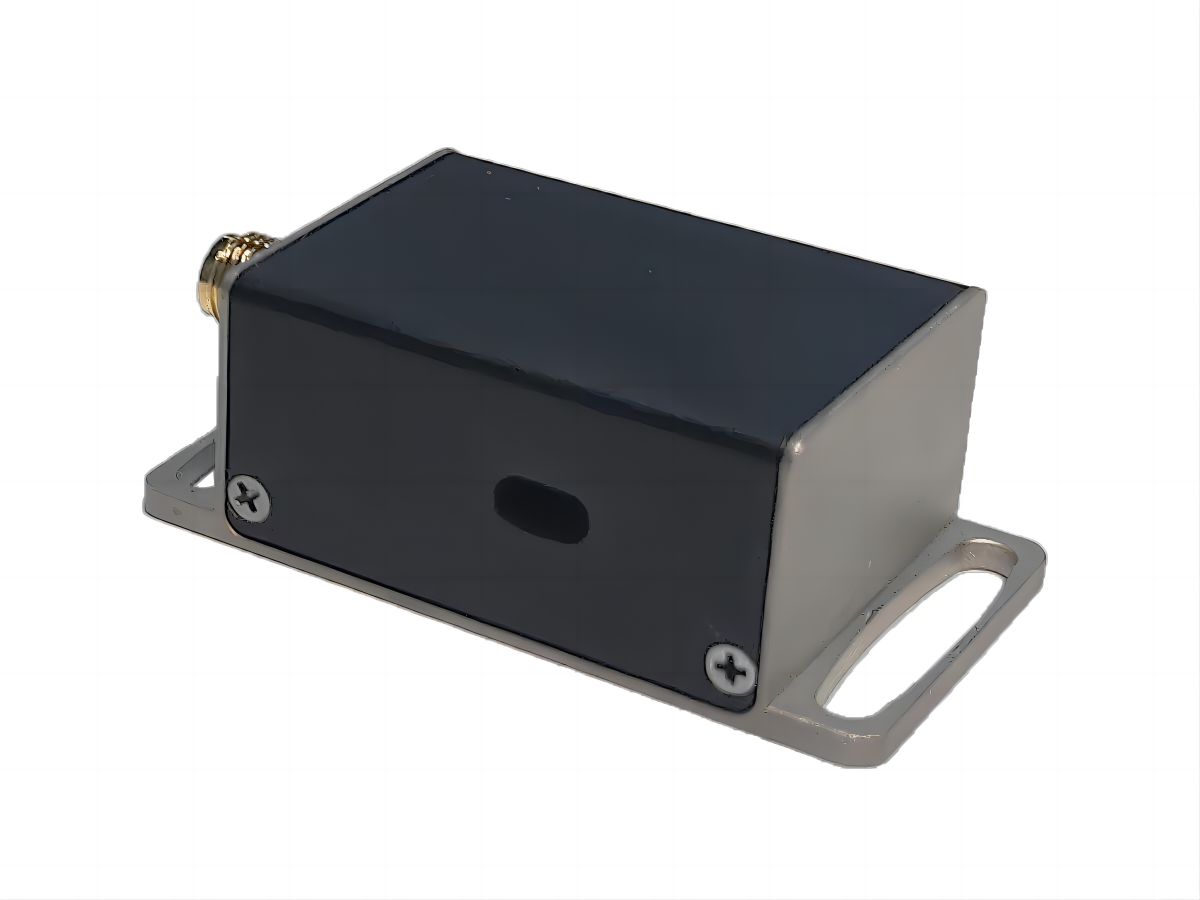
Acousto-optic devices have actually progressively obtained traction on the market, driven by the rising need for innovative optical technologies. The acousto-optic modulator market is observing considerable development because of applications in telecoms, army systems, and industrial production. These devices are vital for frequency shifting, beam of light steering, and signal processing. As modern technology develops, business are establishing cutting-edge options to deal with the needs for miniaturization, boosted performance, and cost-effectiveness.
The attributes of narrow linewidth laser resources are fundamental to details applications, where coherence and accuracy are extremely important. Narrow linewidth fiber lasers show secure discharge with minimal spectral spread, catering to applications in fiber-optic communications and noticing modern technologies. These high qualities are important when taking care of long-distance information transmission, where signal degradation can considerably influence the quality of information got. Coupling these fibers with sophisticated modulators enables researchers to discover new frontiers in optical interaction systems.
Acoustic optical deflectors add to the adaptability of optical systems, providing a means to control light dynamically and effectively by utilizing acoustic waves as the controlling system. Such devices can be found in different applications, from laser scanning systems to innovative imaging methods. By using the concepts of acousto-optics, these deflectors assist in accomplishing accurate and fast alterations in the beam of light’s trajectory without the need for complicated mechanical components.
In discovering the kinds of pulse modulation, one recognizes the details and variety intrinsic in the field. Pulse modulation methods, such as pulse-width modulation (PWM) and pulse-position modulation (PPM), allow manipulation of light based on emission to develop differing signal types. These methods foster improvements in electronics and photonics, from controlling laser outcomes to enhancing the efficiency of fiber optic systems.
More consideration of optical passive components discloses their indispensable role in boosting system dependability. These components, that include filters, couplers, and isolators, help with the organization and monitoring of light within complicated optical configurations without the need for active participation. Their contribution to overall system performance is essential, largely when incorporated with modulators and various other dynamic optical devices. Especially, the seamless assimilation of energetic and passive components defines the capability of modern photonic systems.
The expanding focus on space applications emphasizes the demand for robust and trustworthy optical systems that can operate successfully in extreme conditions. Space acousto-optic modulators, in particular, accommodate the unique needs of space missions, where factors such as radiation exposure and temperature changes can substantially influence performance. The growth of space-grade acousto-optic devices makes certain that communication and data collection stay nonstop in the rough settings of space.
Acousto-optic Q-switching stands for among one of the most reliable methods of producing high-energy pulses, crucial for applications ranging from laser noting to medical procedures. The modulation abilities inherent in AOMs allow them to adjust to varying demands, maximizing pulse duration and energy result. They supply a cutting-edge path to raise laser applications across varied areas.
As we delve better right into the future of photonics, it comes to be significantly clear that development in laser modulators and acousto-optic modern technologies is critical. The advancements in modulator drivers boost the performance with which EOMs and aoms run, enabling much faster and extra trusted efficiency. The crossover between growths in modulation and the boosting need for greater bandwidth and reduced latency in interaction systems suggests a future rich with chances for enhanced optical communications.
Understanding the fundamental mechanics that underpin acoustic optical modulators will certainly bring about superior style and efficiency renovations as research study proceeds to thrive. The expedition of new materials, assimilations, and techniques in areas like micro-nano fabrication will likely generate devices with even better control and prolonged operational lifetimes. These innovations not only guarantee improved functionality for existing systems yet invite totally new applications within arising innovations in quantum computing, robotics, and progressed manufacturing.
In recap, the domain name of acousto-optic modulators and associated fiber-optic technologies embodies rapid development and complexity, acting as fundamental aspects within several modern-day optical applications. With the growing demand for precision and high performance in different sectors, the advancement of acousto-optic devices, such as fiber AOMs, remains to advance, adapting to new obstacles and possibilities. As engineers and researchers push the limits of innovation, these devices will certainly continue to be central to shaping the future of optical interaction, laser applications, and beyond, advertising a brand-new era of technological development.