
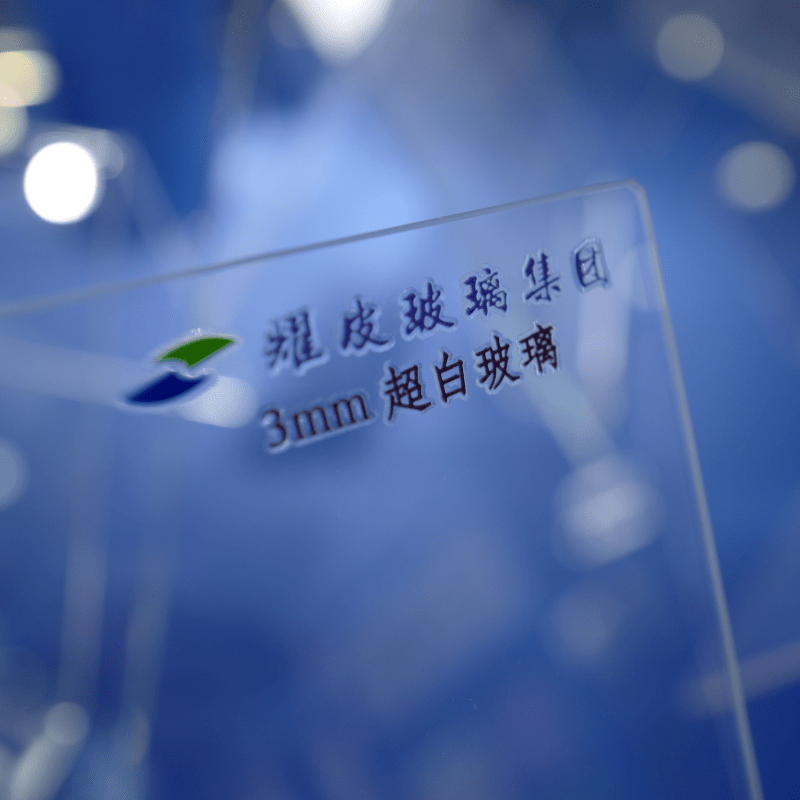
The Float Method revolutionized the GLASS manufacturing manufacture, bringing about significant improvements in both the quality and of GLASS product. Before its development, creating flat GLASS, which is material for Windows, mirrors, and a variety of other applications, was a push on-intensive and progressive tense process. Glassmakers had to rely on methods that often resulted in spotty thickness, distortions, and imperfections. However, the Float Method, introduced by Sir Alastair Pilkington in the 1950s, all transformed this process, setting new standards for GLASS production.
The core innovation of the Float Method lies in its proficiency of floating liquid GLASS on a bed of liquid metallic element, typically tin. This creates a smooth over, even rise up without the need for extra grinding or shining, which was antecedently necessity in GLASSmaking to reach flatness. Prior to this method acting, GLASS was traditionally made by wheeling or casting, which often led to imperfections such as bubbles, ripples, and varied thicknesses. The Float Method eliminates these issues by allowing the GLASS to form naturally into a dead flat come up as it floats on the molten metal.
In this process, the liquid GLASS is poured onto a bath of liquified tin, where it spreads out due to its lour density. The GLASS cools and solidifies as it moves along the metal bath, maintaining a uniform heaviness throughout. This technique produces GLASS sheets that are not only dead flat but also outstandingly uniform in heaviness, which was a game changer for the industry. The leave was a new multiplication of high-quality GLASS that could be used in a wide straddle of applications, from construction to self-propelled manufacturing, without the need for further processing or refinement.
One of the most notability benefits of the Float Method is its ability to make boastfully sheets of GLASS with exceeding clearness and potency. Before this method, manufacturers were limited to producing small, less on the button GLASS panes. With the presentation of the Float Method, GLASSmakers could produce big, single sheets of GLASS in sizes that were antecedently inconceivable. This had a unplumbed bear on on the construction and self-propelled industries, where large, wild sheets of GLASS are often required for Windows and windshields.
Additionally, the Float Method allowed for quicker production times and turn down . Traditional GLASSmaking techniques were slow and labor-intensive, requiring manifold stairs to achieve the desired timber. The Float Method streamlined the process, reducing the need for additive shining or attrition, which not only saved time but also rock-bottom waste and material costs. This made flat GLASS more low-priced and available, further fueling its widespread borrowing in various industries.
The situation touch on of the Float Method has also been considerable. The process is more vitality-efficient than experienced methods, as it reduces the need for undue heating and cooling system during production. Moreover, the power to produce float method with few imperfections means less waste stuff is generated, conducive to more sustainable manufacturing practices. As situation concerns uphold to grow, the Float Method’s efficiency and reduced run off have made it an attractive selection for Bodoni GLASS product.
In ending, the Float Method has been a transformative invention in the GLASS manufacturing industry. It has enabled the product of large, single, and high-quality GLASS sheets, leading to advancements in four-fold sectors, from computer architecture to self-propelled design. By up both the tone and of GLASS product, the Float Method has become a of modern font GLASSmaking, and its impact continues to be felt across industries intercontinental. The process has not only increased the functionality of GLASS but also helped make it more inexpensive, property, and available for workaday use.