
Maintaining healthy gums and teeth is more than just brushing and flossing. In recent years, the concept of oral probiotic for gums has emerged as a natural and effective way to support oral health.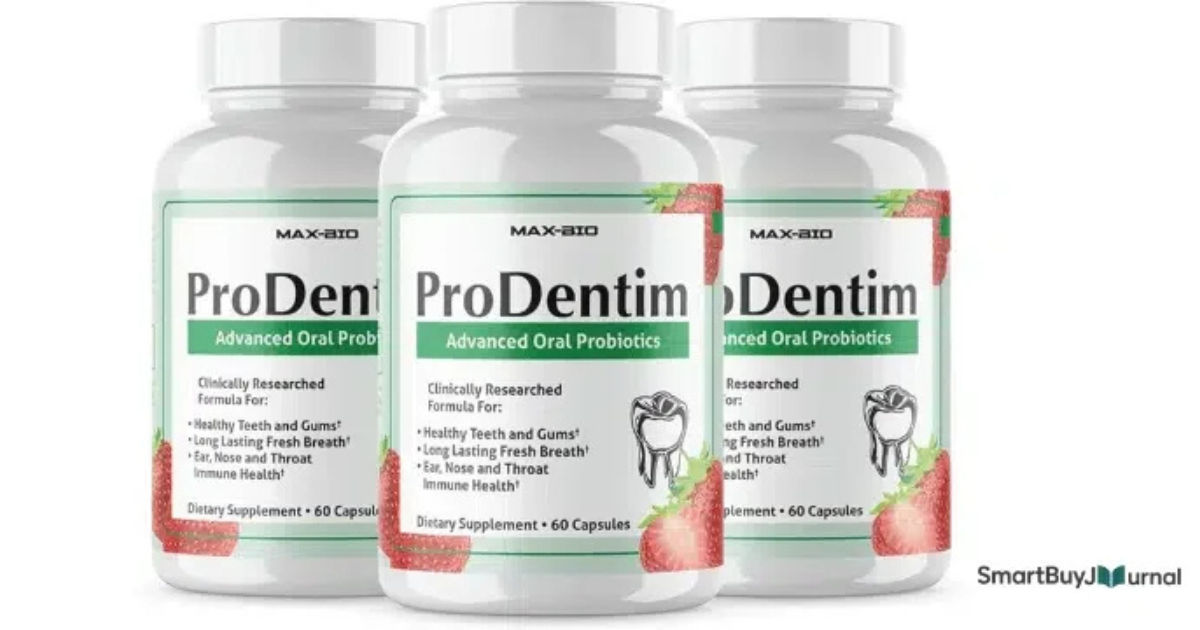
Unlike traditional dental care, which focuses mainly on cleaning and removing bacteria, oral probiotics aim to balance the bacteria in your mouth.
This guide will explore the differences between oral probiotic for gums and traditional care, explain how they work, and help you make an informed decision for your dental health.
Oral Health
Before diving into probiotics, it’s important to understand what keeps your gums healthy. Your mouth contains billions of bacteria. Some are good and some are harmful. Good bacteria help prevent infections, fight bad bacteria, and support your immune system. Bad bacteria, on the other hand, can lead to plaque buildup, gum disease, and tooth decay.
Traditional dental care focuses on controlling the bad bacteria through brushing, flossing, and professional cleanings. While this is effective at removing plaque and preventing cavities, it doesn’t actively promote the growth of good bacteria. This is where oral probiotic for gums comes into play.
What is Oral Probiotic for Gums?
Oral probiotic for gums are supplements that contain beneficial bacteria specifically designed to improve oral health. These probiotics are different from the ones found in yogurt or digestive supplements because they target the mouth instead of the gut.
They work by restoring balance in your oral microbiome. When the right balance is achieved, harmful bacteria cannot dominate, and your gums are less likely to become inflamed or infected. Some common strains used in oral probiotics include Lactobacillus reuteri, Streptococcus salivarius, and Lactobacillus paracasei.
How Oral Probiotics Work
Oral probiotics function through several mechanisms:
-
Balancing Oral Microbiome
Good bacteria in probiotics help crowd out harmful bacteria. This prevents the growth of pathogens that can cause gum disease. -
Reducing Inflammation
Certain strains of probiotics have anti-inflammatory properties. They help reduce swelling and redness in gums caused by gingivitis. -
Improving Breath
Bad bacteria produce sulfur compounds, which cause bad breath. Oral probiotics reduce these bacteria, leading to fresher breath. -
Strengthening the Immune System
Some probiotics stimulate immune responses in the gums, helping them resist infections and recover faster. -
Supporting Traditional Care
While brushing and flossing remove plaque, oral probiotics reinforce gum health from the inside, creating a stronger barrier against disease.
Traditional Oral Care: What It Includes
Traditional oral care is familiar to everyone. It includes:
-
Brushing: Ideally twice a day with fluoride toothpaste to remove plaque and food particles.
-
Flossing: Once a day to remove debris between teeth that brushing misses.
-
Mouthwash: Helps reduce bacteria and freshen breath.
-
Dental Checkups: Regular visits to dentists for cleaning, scaling, and early detection of dental problems.
-
Diet Control: Reducing sugar intake to prevent tooth decay and gum disease.
While these steps are highly effective, they mainly address visible problems like plaque and cavities rather than restoring the natural balance of bacteria in your mouth.
Comparing Oral Probiotics and Traditional Care
Scope of Effect
Traditional care focuses on cleaning and preventing damage. Oral probiotics focus on balancing bacteria and enhancing gum health. While brushing removes existing plaque, probiotics help prevent harmful bacteria from growing in the first place.
Long-Term Benefits
Regular use of oral probiotic for gums may reduce the risk of chronic gum diseases like periodontitis. Traditional care helps maintain cleanliness but does not actively modify the bacterial composition in your mouth.
Ease of Use
Traditional care requires daily discipline with brushing, flossing, and appointments. Oral probiotics are easy to incorporate as a daily supplement, either in lozenges, chewables, or rinses.
Cost
Traditional care is relatively inexpensive for daily hygiene but may involve costly dental procedures for advanced issues. Oral probiotics can be moderately priced but may require consistent long-term use for noticeable results.
Synergy
The best results often come from combining both approaches. Brushing, flossing, and professional care remove immediate threats, while oral probiotics strengthen the microbial balance to prevent future problems.
Key Benefits of Oral Probiotics for Gums
-
Prevents Gum Disease
By reducing harmful bacteria, oral probiotics lower the risk of gingivitis and periodontitis. This is particularly important for adults over 30, who are more prone to gum issues. -
Reduces Plaque Formation
Certain strains can inhibit the bacteria that cause plaque, complementing regular brushing. -
Freshens Breath Naturally
Unlike mouthwash, which temporarily masks odor, oral probiotics target the root cause of bad breath. -
Promotes Healing
Probiotics support tissue regeneration and reduce inflammation, which helps gums recover faster after infections or dental procedures. -
Non-Invasive and Safe
Oral probiotics are generally safe, with minimal side effects compared to chemical mouthwashes or antibiotic treatments.
Choosing the Right Oral Probiotic
When selecting a supplement, consider the following:
-
Strains: Look for clinically studied strains like Lactobacillus reuteri or Streptococcus salivarius.
-
Form: Lozenges, chewables, and rinses are common. Lozenges may provide better contact with gums.
-
Dosage: Follow the recommended daily dosage. Too little may not be effective, and too much is unnecessary.
-
Reputable Brands: Choose products that have clinical evidence or certifications to ensure safety and effectiveness.
Always consult your dentist before starting new supplements, especially if you have chronic dental conditions.
Integrating Oral Probiotics with Traditional Care
Oral probiotics are not a replacement for brushing or flossing. Instead, they work best when used alongside traditional care. Here’s how to combine them effectively:
-
Brush and Floss First: Clean your mouth thoroughly before taking probiotics. This ensures that probiotics can attach to a clean surface.
-
Use Probiotics Consistently: Take your supplement at the same time every day, preferably after meals.
-
Maintain Regular Checkups: Continue visiting your dentist for professional cleaning and monitoring gum health.
-
Supportive Diet: Reduce sugar and eat foods that support natural bacteria, such as fibrous vegetables.
This combination maximizes the benefits of both approaches, leading to healthier gums, fresher breath, and stronger teeth.
Limitations of Oral Probiotics
While oral probiotic for gums offers many benefits, it is important to recognize its limitations:
-
Not a Quick Fix: Probiotics work gradually and require consistent use.
-
Not a Substitute for Dental Treatment: Severe gum disease still requires professional intervention.
-
Variable Results: Individual response may vary based on oral microbiome composition.
-
Limited Research: While promising, oral probiotics are a relatively new field, and more large-scale studies are needed.
Who Should Consider Oral Probiotics?
-
People with chronic bad breath due to bacterial imbalance.
-
Individuals prone to gingivitis or early gum disease.
-
Those who have recently had dental surgery and want to support healing.
-
Anyone looking for a natural approach to oral care alongside brushing and flossing.
Even healthy individuals can benefit as a preventive measure, maintaining a balanced oral microbiome.
Common Myths About Oral Probiotics
-
Myth: They replace brushing.
Truth: Probiotics complement, not replace, regular oral hygiene. -
Myth: All probiotics are the same.
Truth: Only certain strains target oral health effectively. -
Myth: Immediate results are guaranteed.
Truth: Benefits usually appear after weeks of consistent use. -
Myth: Probiotics are unnecessary if you brush and floss.
Truth: Even with good hygiene, oral microbiome balance can be disrupted, especially with stress, diet, or antibiotics.
Practical Tips for Better Gum Health
-
Brush twice a day with a soft-bristled toothbrush.
-
Floss daily to remove hidden debris.
-
Use an antimicrobial or fluoride mouthwash if recommended.
-
Eat a balanced diet rich in vitamins C and D, calcium, and fiber.
-
Stay hydrated to maintain saliva flow, which naturally fights harmful bacteria.
-
Incorporate oral probiotic for gums to maintain microbial balance.
Real-Life Experiences
Many people who added oral probiotics to their routine report noticeable improvements in gum health. Users have described reduced bleeding, less sensitivity, and fresher breath. While individual experiences vary, the consistent theme is that probiotics support and enhance traditional care rather than replacing it.
Future of Oral Health Care
The field of oral probiotics is growing rapidly. Research is focusing on developing targeted probiotic strains that can prevent cavities, reduce gum inflammation, and even support overall immune health. As understanding of the oral microbiome deepens, probiotics may become a standard part of dental care routines, much like brushing and flossing.
Conclusion
The debate between oral probiotic for gums and traditional care is not about choosing one over the other. Instead, it’s about understanding how each contributes to oral health. Traditional care remains essential for removing plaque and preventing immediate dental problems. Oral probiotics offer a complementary approach, balancing the oral microbiome, reducing inflammation, supporting gum health, and preventing long-term disease.
Incorporating oral probiotics into your daily routine, along with brushing, flossing, regular dental visits, and a healthy diet, provides a holistic strategy for maintaining healthy gums and teeth. With the combined power of science-backed probiotics and proven traditional care methods, you can achieve stronger gums, fresher breath, and a healthier smile that lasts a lifetime.
By understanding and embracing both approaches, you are not just treating dental problems but preventing them proactively. Oral probiotics are the future of preventive oral care, and when paired with traditional practices, they offer a comprehensive solution for gum health that is natural, effective, and easy to maintain.