
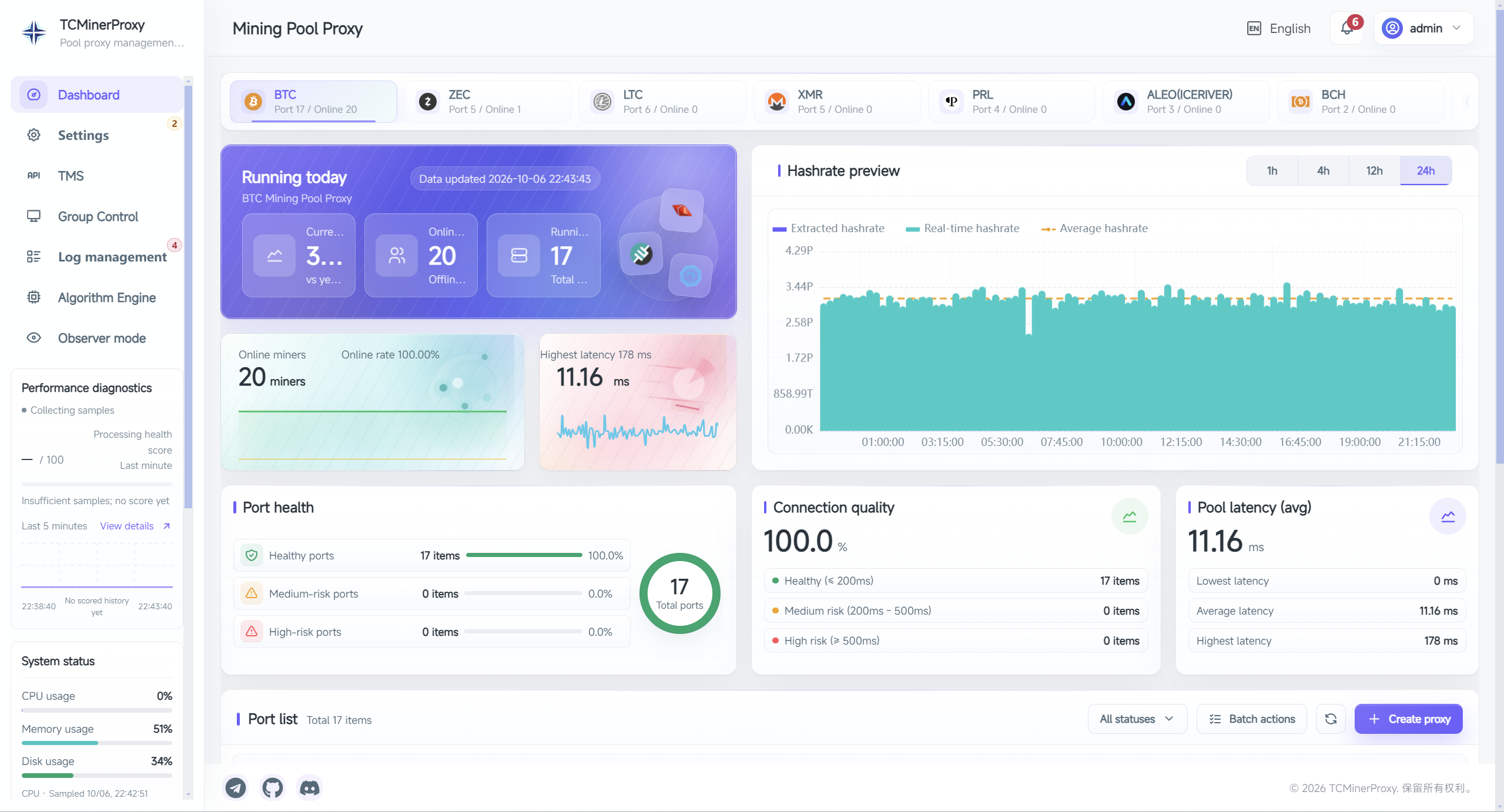
A transfer to a mining placeholder can affect many at once. Updates to ports, destinations, worker settings, or software package versions may be necessary, but applying them to an entire fleet without examination can step-up downtime. A simple artificial work on helps operators observe problems early and limit their touch on minerproxy.
Start by defining the change. Write down what will be limited, why it is required, and which miners or settings it affects. Identify what a boffo leave should look like. For example, the test may need to that miners connect to the witting terminus and continue in operation with the expected prole shape. Clear success criteria help keep uncertain decisions during the rollout.
Record the stream shape before qualification changes. Save applicable settings, note which use them, and confirm how to restitute the previous setup. If the placeholder or management system of rules supports shape backups, produce one and control that it is available. A rollback plan is useful only if stave know how to use it and have the requisite selective information available.
Select a modest, representative test group. Include that reflect the models, locations, or network conditions artificial by the transfer. Avoid examination only on that is outstandingly close to the placeholder or organized differently from the rest of the flit. The test group should be boastfully enough to break likely compatibility issues but modest enough to supervise intimately.
Apply the change to the test aggroup and observe the results. Check connection position, germane logs, proletarian identification, and any available work indicators. Confirm that miners strive the motivated destination and that the proxy behaves as unsurprising. Do not move to the next present plainly because devices reconnect once; allow enough time to note continual or sporadic problems.
If the test fails, break the rollout. Compare the new form with the registered variant and identify what changed. Check whether the write out affects all test devices or only a subset. Restore the previous settings if required, then investigate before trying again. Continuing to spread out a weakness change can make recovery more unruly.
When the test succeeds, expand in manageable batches. Apply the transfer to one group at a time and control each group before proceedings. Keep a tape of which have been metamorphic and when. This makes it easier to sequester a trouble and roll back only the artificial group.
After the rollout, reexamine the result and update documentation. Record any unplanned demeanor, adjustments, and lessons for time to come changes. Confirm that the final form matches the conscious setup and that noncurrent settings are no yearner in use.
Testing every transfer may seem slower than making a flutter-wide update in real time, but it can reduce the time exhausted ill from evitable problems. Clear documentation, a spokesperson test group, monitoring, and a practical rollback plan make placeholder changes safer and easier to manage.