
Mobility challenges can make everyday activities difficult, particularly for people recovering from surgery, managing injuries, or experiencing age-related physical limitations. Walking independently may become uncomfortable or unsafe when a person has difficulty maintaining balance or putting weight on their legs. Fortunately, mobility aids such as walkers can provide additional support and help individuals move around with greater confidence.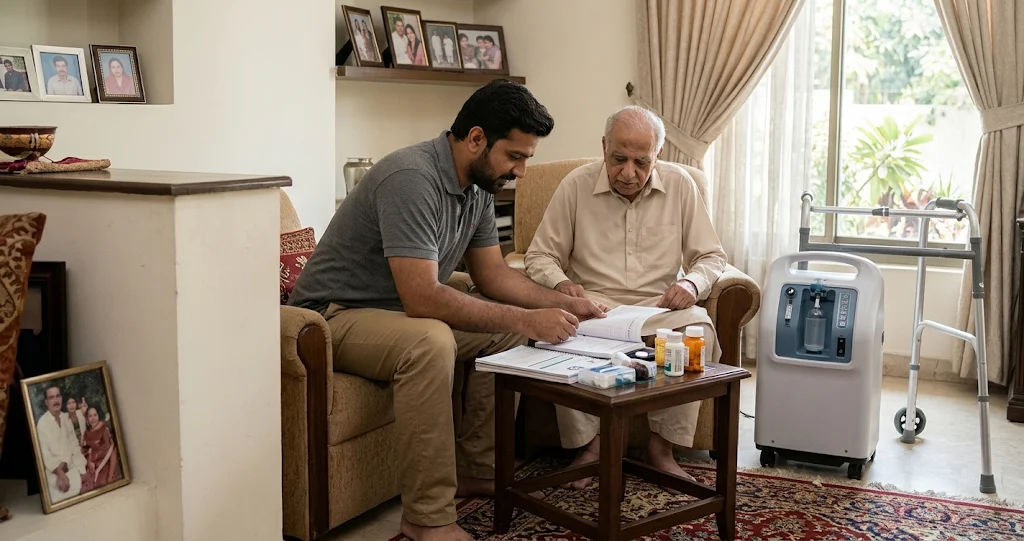
One common question among patients and caregivers is whether walkers are available through medical equipment rental services. The answer is generally yes. Many providers offering Medical Equipment rental Lahore include walkers and other mobility aids in their rental options, although availability depends on the supplier, equipment type, and rental requirements.
Renting a walker can be a practical alternative to purchasing one, especially when someone needs mobility assistance for a limited period. It can reduce upfront expenses, provide access to suitable equipment, and eliminate the need to store a mobility aid after recovery.
Understanding the available walker types, rental arrangements, safety considerations, and selection process can help families make better decisions. This comprehensive guide explains how walker rentals work and what patients should consider before choosing one.
Walker Rentals in Lahore
A walker is a mobility aid designed to provide additional stability while standing and walking. It typically consists of a lightweight metal frame with handles that users hold for support.
Walkers are commonly recommended for older adults, people recovering from surgery, individuals with leg injuries, and patients experiencing balance difficulties.
Instead of purchasing a walker, patients can explore rental services that provide temporary access to mobility equipment.
Why Are Walkers Important?
Walking requires coordination, muscle strength, balance, and confidence. When any of these abilities becomes limited, even simple activities such as moving between rooms can become challenging.
A walker creates a stable support structure that helps users maintain balance while taking steps.
It can also reduce the physical effort required to move around, depending on the person's condition and the type of equipment selected.
For patients recovering at home, having an appropriate walker can make daily movement more manageable.
Who Can Benefit from Renting a Walker?
Several groups may benefit from temporary walker rentals.
-
Older adults: Seniors experiencing reduced balance or leg strength may need additional walking support.
-
Post-surgery patients: Individuals recovering from hip, knee, or other lower-body procedures may require mobility assistance.
-
Injury patients: People recovering from fractures, sprains, or other injuries may need temporary support.
-
Rehabilitation patients: Individuals participating in physical therapy may use walkers as part of their mobility routine.
-
People with temporary mobility limitations: Patients experiencing weakness after illness may benefit from additional stability.
However, not everyone needs the same type of walker. A healthcare professional should help determine which mobility aid is appropriate.
Types of Walkers Available for Rental
Different walkers are designed to support different mobility requirements. Understanding their features can help patients select suitable equipment.
When exploring Medical Equipment rental Lahore, families should ask suppliers which walker models are currently available and whether they offer different designs.
Standard Walkers
Standard walkers are among the simplest mobility aids.
They generally feature four legs with rubber tips that touch the floor. Users lift the frame slightly, move it forward, and then step toward it.
These walkers provide a stable support structure because all four legs remain stationary when the user places weight on the frame.
They are particularly useful for individuals who require considerable balance assistance.
However, lifting the frame repeatedly can be tiring for people with limited upper-body strength.
Two-Wheel Walkers
Two-wheel walkers have wheels on the front legs and rubber tips on the rear legs.
Unlike standard walkers, they do not need to be lifted completely during movement. Users can push the frame forward while maintaining contact with the floor.
This design can make walking easier for individuals who find lifting a standard walker difficult.
The rear rubber tips provide resistance and help maintain stability when the user leans on the frame.
Rollators are another popular type of mobility aid.
They usually have four wheels, hand brakes, and a built-in seat. Some models also include storage baskets or bags.
These features allow users to move more smoothly without lifting the frame.
The built-in seat is especially helpful for people who become tired after walking short distances.
However, rollators require sufficient balance and the ability to control the brakes. They may not be appropriate for people who need substantial weight-bearing support.
Folding Walkers
Folding walkers are designed for convenience.
Their frames can be folded when not in use, making them easier to store in small homes or transport in vehicles.
They are useful for patients who need mobility assistance but have limited storage space.
Before renting one, users should check its locking mechanism and ensure that it remains securely open during use.
Adjustable-Height Walkers
Adjustable-height walkers allow users to change the handle position according to their height.
Correct adjustment is important because an unsuitable frame can cause discomfort, poor posture, and unnecessary pressure on the shoulders or wrists.
When selecting an adjustable walker, patients should request assistance with proper fitting.
Does Medical Equipment Rental Lahore Provide Short-Term Walker Rentals?
Yes, short-term rentals are a common arrangement offered by medical equipment suppliers, although individual providers have different rental policies.
Many patients only require a walker for a few weeks or months.
For example, someone recovering from knee surgery may need walking assistance during the initial rehabilitation period. Purchasing equipment that will only be used temporarily may not always be financially practical.
Rental services can provide an alternative.
Weekly Rental Options
Some suppliers may offer weekly rental arrangements.
These can be useful for patients who expect to recover relatively quickly or need mobility support for a short rehabilitation period.
Weekly rentals also allow families to avoid committing to a longer agreement when the recovery timeline is uncertain.
Monthly Rental Options
Monthly rentals may be more suitable for people requiring extended mobility assistance.
Older adults, patients recovering from major procedures, and individuals undergoing longer rehabilitation programs may benefit from this arrangement.
Families should compare the monthly cost with the weekly rate before making a decision.
Flexible Rental Periods
Recovery does not always follow a predictable schedule.
Some patients regain their mobility faster than expected, while others need additional rehabilitation.
Before choosing a supplier, ask whether the rental period can be extended or shortened.
It is also important to understand whether early returns, extensions, or collection services involve additional charges.
Benefits of Renting a Walker Instead of Buying One
Renting mobility equipment can offer several practical advantages.
The most suitable option depends on the patient's medical needs, expected recovery period, and household budget.
Lower Initial Expenses
Buying a walker requires an upfront payment.
For someone who only needs temporary assistance, this expense may not be necessary.
Rental arrangements allow patients to access equipment without paying the complete purchase price.
The money saved can be used for other recovery-related expenses, including medicines, transportation, and rehabilitation sessions.
Convenient Access to Mobility Equipment
A reliable rental supplier can help families obtain mobility equipment without searching through multiple shops.
This can be particularly helpful when a patient needs support shortly after leaving the hospital.
Some providers may also offer delivery services, depending on their location and policies.
No Long-Term Storage Requirements
Walkers can take up valuable storage space when they are no longer needed.
Renting eliminates the responsibility of keeping unused equipment for years.
After the rental period ends, families can arrange its return according to the supplier's terms.
Access to Different Equipment Types
Patients sometimes require different mobility aids during different stages of recovery.
For example, someone may initially need a standard walker and later become comfortable using a wheeled model.
A rental provider may offer equipment changes, subject to availability and rental conditions.
How to Choose the Right Walker
Selecting an appropriate walker is essential for comfort and safety.
The most expensive model is not necessarily the best choice. Equipment should match the patient's physical abilities and mobility requirements.
Consider the Patient's Medical Condition
Start by understanding why the patient needs walking assistance.
Someone recovering from a leg fracture may require more stability than someone experiencing mild balance difficulties.
Similarly, patients recovering from hip or knee surgery may have specific weight-bearing restrictions.
A doctor or physiotherapist can recommend an appropriate mobility aid.
Check the Correct Height
The walker should be adjusted to the user's body height.
When standing upright and holding the handles, the user's elbows should generally remain slightly bent.
The shoulders should feel relaxed rather than raised.
Incorrect handle positioning can cause discomfort and make walking more difficult.
Ask the supplier whether the equipment can be adjusted before accepting the rental.
Evaluate Weight Capacity
Every walker has a recommended maximum weight capacity.
Patients and caregivers should check the manufacturer's specifications before selecting a model.
Using equipment beyond its weight limit can increase the risk of structural failure and accidents.
Examine the Frame and Handles
Inspect the walker carefully before taking it home.
Look for:
-
Loose screws or joints.
-
Damaged frame sections.
-
Worn rubber tips.
-
Unstable wheels.
-
Faulty folding mechanisms.
-
Damaged hand grips.
-
Malfunctioning brakes on rollators.
A properly maintained walker should feel stable and secure.
Consider Indoor and Outdoor Use
Not every walker is equally suitable for every environment.
Standard walkers can work well indoors, especially on level surfaces.
Wheeled models may be more convenient for users who need to cover longer distances.
However, outdoor walking introduces additional challenges, including uneven pavement, slopes, and obstacles.
Discuss the intended environment with a healthcare professional before choosing a model.
What to Check Before Renting a Walker in Lahore
Finding a rental provider is only the first step. Families should also understand the supplier's equipment standards and rental conditions.
A careful inspection can prevent unnecessary problems later.
Equipment Cleanliness
Hygiene is particularly important when renting medical equipment.
The handles, frame, seat, and other frequently touched surfaces should be properly cleaned.
If the equipment has been used by another patient, ask about the supplier's cleaning and disinfection procedures.
Rental Charges
Rental prices may vary depending on the walker model, rental duration, and supplier.
Some providers may require a refundable security deposit.
Others may charge additional fees for delivery, collection, or equipment replacement.
Ask for a complete breakdown of costs before confirming the arrangement.
Delivery and Collection
Transporting mobility equipment can be inconvenient for families caring for patients with limited movement.
Ask whether the supplier delivers to your home and collects the equipment after the rental period.
Confirm the delivery charges and expected arrival time.
Maintenance and Replacement Policy
Mechanical problems can occur during equipment use.
A reliable supplier should explain how customers can report damaged or malfunctioning equipment.
Ask whether repairs or replacements are included in the rental agreement.
Never continue using a walker that appears unstable or damaged.
How to Use a Walker Safely at Home
Having the correct equipment is important, but using it properly is equally essential.
Patients should receive instructions from a healthcare professional before beginning independent movement.
Maintain the Correct Walking Technique
For a standard walker, the user generally places the frame slightly ahead, ensures all four legs are stable, and then steps forward according to their physical ability and medical instructions.
The exact technique may differ for people with specific injuries or weight-bearing restrictions.
Avoid leaning too far forward or pulling the walker while standing up.
Wear Appropriate Footwear
Shoes should fit properly and provide good traction.
Avoid walking in loose slippers, slippery socks, or footwear that can easily come off.
Non-slip footwear can reduce the possibility of losing balance.
Keep Floors Clear
Home environments should be arranged to make walking easier.
Remove loose rugs, electrical cables, clutter, and other obstacles from frequently used pathways.
Keep commonly needed items within easy reach.
Use Proper Lighting
Poor lighting can make it difficult to identify obstacles.
Ensure hallways, bathrooms, and bedrooms have sufficient lighting.
Nightlights can be helpful for patients who need to move around after dark.
Avoid Rushing
Patients should move slowly and deliberately.
Sudden turns, quick movements, and uneven steps can increase the risk of falling.
If someone feels dizzy, weak, or unusually tired, they should stop and seek assistance.
Are Walkers Suitable for Elderly Patients?
Walkers are frequently used by older adults who experience reduced muscle strength, balance difficulties, or mobility limitations.
However, age alone does not determine whether someone needs a walker.
An elderly person with good balance may not require one, while another person may need substantial walking support.
Improving Confidence During Movement
Fear of falling can make older adults reluctant to walk.
A properly selected walker may provide additional stability and reassurance.
With appropriate guidance, users may become more comfortable moving between rooms and performing everyday activities.
Supporting Daily Independence
Some elderly individuals need assistance with ordinary tasks such as moving to the dining area, visiting the bathroom, or walking around the house.
A suitable walker can support these activities.
However, it should not replace necessary supervision or professional care.
Preventing Unnecessary Physical Strain
Walking without adequate support can increase fatigue for people with limited physical strength.
A walker may distribute some of the effort required for movement through the arms and frame.
Its benefits depend on the person's condition and correct usage.
Common Mistakes to Avoid When Renting Walkers
Families sometimes focus only on availability and rental prices when choosing mobility equipment.
However, several other factors deserve attention.
Selecting Equipment Without Professional Advice
Not every walker is suitable for every patient.
Choosing an unsuitable design may create additional mobility difficulties.
Always seek professional recommendations when the patient's medical condition requires specific support.
Ignoring Weight Restrictions
Using equipment beyond its recommended capacity can compromise safety.
Check the manufacturer's specifications before renting.
Choosing an Uncomfortable Model
A walker should have suitable handles, appropriate height, and a comfortable frame design.
Patients should not experience unnecessary wrist, shoulder, or back discomfort.
Overlooking Rental Conditions
Failing to understand deposits, extension charges, and return arrangements can lead to unexpected expenses.
Read the rental agreement carefully.
Ignoring Regular Inspections
Walkers should be checked periodically.
Loose connections, damaged rubber tips, and faulty brakes should be reported immediately.
Regular inspections help identify potential problems before they cause accidents.
Questions to Ask a Walker Rental Provider
Before arranging a rental, prepare a few questions to understand the service.
-
Do you currently have standard and wheeled walkers available?
-
Are adjustable-height models offered?
-
What are the weekly and monthly rental charges?
-
Is a security deposit required?
-
Do you provide delivery within Lahore?
-
Are the walkers cleaned and inspected before rental?
-
What happens if the equipment develops a fault?
-
Can the rental period be extended?
-
Is early return permitted?
-
Are replacement walkers available if the selected model is unsuitable?
These questions can help families compare suppliers and avoid misunderstandings.
How Medical Equipment Rental Lahore Supports Home Recovery
Recovering at home can be more comfortable for patients who have appropriate equipment and support.
Mobility aids can make it easier to follow rehabilitation instructions and perform permitted daily activities.
When families explore Medical Equipment rental Lahore, they should consider the complete service rather than focusing exclusively on the walker itself.
A suitable supplier may help identify available models, explain rental conditions, and arrange equipment delivery.
Helping Patients Maintain Mobility
Movement is often an important part of rehabilitation.
Depending on medical instructions, patients may need to walk short distances regularly as part of their recovery.
A properly selected walker can provide the necessary support during these activities.
Making Home Care More Practical
Family members often need to manage several responsibilities while caring for someone recovering from illness or surgery.
Having suitable mobility equipment can make certain daily activities easier to organize.
It may also reduce the physical assistance required for some movements, although caregivers should remain available whenever necessary.
Supporting Temporary Rehabilitation Needs
Not every patient requires mobility equipment permanently.
Some individuals gradually regain their walking ability through treatment and rehabilitation.
Renting a walker provides temporary access without creating an unnecessary long-term equipment commitment.
Conclusion
Yes, walkers are generally available through medical equipment rental services in Lahore, although the exact models and rental arrangements depend on individual suppliers. Patients can explore different options, including standard walkers, two-wheel walkers, four-wheel rollators, folding frames, and adjustable-height models.
Renting a walker can be a convenient and economical solution for people recovering from surgery, managing injuries, experiencing temporary weakness, or requiring additional mobility support. It allows families to access essential equipment without making a substantial upfront investment or worrying about storing it after recovery.
However, choosing the right walker requires more than comparing rental prices. Patients should consider their medical condition, physical strength, height, weight requirements, balance, and intended usage environment. Professional advice from a doctor or physiotherapist can help determine which design offers appropriate support.
Families should also inspect the equipment, check its cleanliness, understand the rental agreement, and ask about maintenance, delivery, and replacement policies. These precautions can help ensure that the rented walker remains suitable throughout the rental period.
Exploring Medical Equipment rental Lahore can make finding temporary mobility assistance easier for patients and caregivers. With the right equipment, proper instructions, and a safe home environment, individuals can approach their recovery with greater comfort and confidence.
Ultimately, a walker is not simply a walking frame. When selected and used correctly, it can become an important part of a patient's rehabilitation journey, supporting everyday movement and helping individuals maintain as much independence as their medical condition allows.