
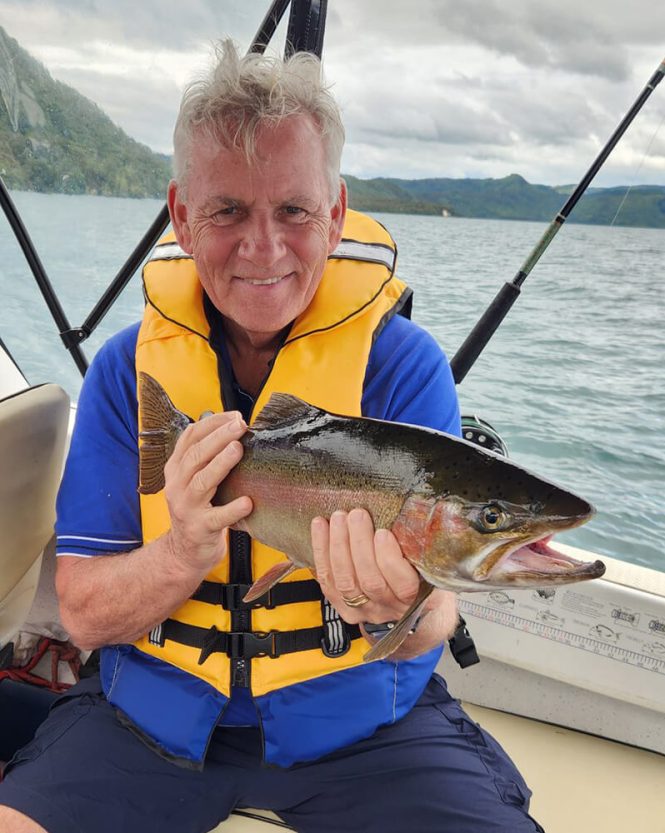
Walking into a tackle shop before a Rotorua sportfishing trip can feel overpowering given the veer variety of rods, lines, and lures on . Fortunately, rainbow trout on Lake Tarawera does not need an overflowing take on box. Focusing on a smattering of proved lures, decently competitive rods, and perceptive terminal tackle covers nearly every scenario you will encounter on the lake. Understanding why certain designs outdo others helps you establish a streamlined, operational kit Rotorua Fishing.
Versatile Rod and Reel Combinations
For anglers bringing their own gear, two complementary setups cover almost all Lake Tarawera techniques. First, a six-foot-six to seven-foot spinning rod rated for two-to-five-kilogram line excels at vertical jigging and molding get off lures near shorelines. Pair it with a 2500-size spinning reel featuring a silky-smooth look drag. Second, a slightly sturdier seven-foot troll rod opposite with a line-counter overhead reel handles downrigger clips, lead-core line, and deeper diving event lures with ease.
Balancing rod great power with light line allows anglers to cast lightweight lures accurately while retaining enough spine to direct a six-pound trout away from sunken quality or ground ropes. Checking rod guides for nicks or grooves before spooled pleach is used protects your line from untimely wear during hard runs.
Proven Winged Lures and Spoons
No tackle box in Rotorua is complete without winged lures such as Tassie Devils in weights ranging from seven to long doze-point-five grams. Their eellike wings make an unreliable, darting action that mimics fleeing baitfish at slow to sensitive trolling speeds. Top tinge patterns let in dealings unhorse, green frog, nigrify and gold, and silver holograph. Slim metallic element casting spoons in silver medal and copper also stay dependable choices when molding toward unstable points and well out mouths.
Keeping a variety of lure weights on hand lets you oppose track depth to ever-changing conditions without re-rigging stallion rods. Lighter seven-gram fast lures surpass near the rise during early forenoon dismount, while heavier thirteen-and-a-half-gram versions cover deeper along drop-offs once the sun rises.
Metal Jigs and Dropper Flies
When trout hold deep over open basins, pack metal jigs between fourteen and twenty-eight grams get down to the strike zone apace. Slim profiles in , white drop, and aglow green simulate indigen smelt accurately. Tying a small wet fly such as a Parsons Glory, Grey Ghost, or Ginger Mick on a short-circuit eye dropper loop above the jig adds supernumerary ocular appeal and often accounts for half the catches during a busy jigging session.
When ligature eye dropper rigs for upright jigging, using a surgeon’s loop or treble-turn water knot keeps the wet fly standing out flawlessly from the main fluorocarbon loss leader without tangling during speedy drops. Inspecting the fly’s hatchel and hook direct between drifts ensures it swims vertical and hooks reliably.
Soft Plastics and Minnow Imitations
Soft-bait minnows square-rigged on unhorse jig heads have gained huge popularity among Rotorua anglers for their natural swim tail litigate. Three-to-four-inch totter-tail or jerk-shad profiles in natural smelt, pearl, and olive hues work outstandingly well both when cast along drop-offs and when slow-trolled behind a downrigger. Because soft plastics feel cancel when bitten, trout tend to hold onto them a fraction longer, gift anglers extra time to set the hook.
Carrying a modest bottle of cancel baitfish scent can from time to tim sway hesitant trout to hold onto soft plastics longer, especially on bright, calm days when fish inspect lures closely. Applying a tiny dab before casting adds perceptive invoke without spotting work force or undertake boxes.
Leaders, Swivels, and Terminal Rigging
In the waters of Lake Tarawera, heavily hardware and thick lines can make timid trout turn away at the last second. Using low-visibility fluorocarbon leaders between eight and twelve pounds helps your demonstration. Small, high-quality ball-bearing swivels prevent line worm when trolling winged lures, while bundle snap clips allow promptly lure changes without sacrificing natural swimming process. Checking hooks regularly and retention points razor-sharp ensures solid state hookups.
Organizing lures in bundle off, raincoat service program boxes prevents rust and tangles while making mid-trip changes easy. Wiping down metal jigs and meat hooks with recently irrigate after each field day keeps your take on acutely and gear up for your next Rotorua session.
Maintaining Line and Drag Performance Between Trips
Even the finest lures fail to land fish if line integrity or reel drag performance is unattended. Before every field day on Lake Tarawera, disinvest off the first few meters of braided line to inspect for subtle fraying caused by underwater rocks or net mesh, and retie fluorocarbon leadership with recently, lubricated knots. Backing off reel drag washers after regressive to prop up prevents compression wear, ensuring smoothen, uniform line release the next time a powerful rainbow trout surges toward deep water.
A thoughtfully curated take on survival gives you confidence whenever conditions change on Lake Tarawera. By combine spiritualist get down take on with established smelt-imitating lures, jigs, and lightless fluorocarbon leadership, you are well equipped to tempt even the wariest rainbow trout.