
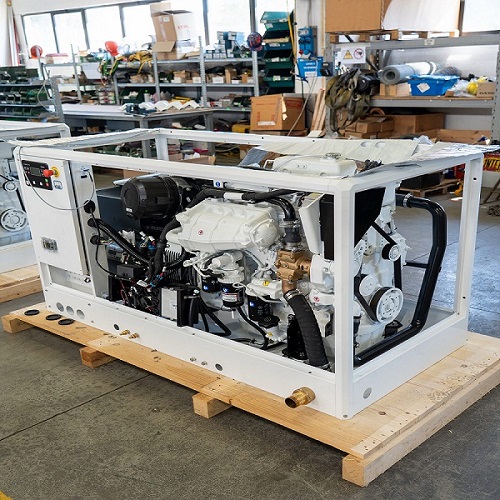
A calm morning at the harbour can change quickly when a watercraft loses electrical great power. Lights go out, seafaring boodle responding, infrigidation begins to warm, and necessary pumps may no yearner work. On a racing yacht, this creates discomfort and safety concerns. On a commercial message vessel or sea support boat, the consequences can be far more serious. The right 5kw kohler marine generator help keep these situations by providing calm electricity wherever the vessel travels.
Choosing, installation, and maintaining a source should keep an eye on a plan. Vessel owners need to consider the boat s size, operating model, onboard , fuel use, and service requirements before qualification a buy up. A realistic work on reduces unexpected repairs and helps the source perform well in hard Marine conditions.
Stage One, Define the Vessel s Power Requirements
The first step is to sympathise how much superpowe the watercraft needs during normal and heavily surgical procedure. Make a list of the that may run at the same time, including navigation systems, air conditioning, watermakers, infrigidation, pumps, winches, light, devices, and battery chargers.
Some uses more great power when it starts than it does during consecutive surgery. Air conditioning compressors, pumps, and electric motors can create a high start load. Marine generators must be elect with these short-circuit world power increases in mind. Choosing a unit supported only on average out consumption can lead to overloads, electromotive force drops, and continual shutdowns.
A major power assessment should also let in future needs. Owners may later add a big refrigeration system of rules, extra electronics, or extra cabins. A unpretentious book gives the physical phenomenon system of rules room to wield these changes without replacement the author too soon.
Stage Two, Match the Generator to the Working Environment
Marine generators run in conditions that are different from those base on land. Salt air, humidity, vibe, limited ventilating system, and front place supernumerary coerce on every component. A right source must be shapely for a confined and perpetually animated environment.
The physical dimensions of the author matter just as much as its yield. Measure the available quad, get at points, ventilation openings, tucker route, and service clearance. A unit that fits into the room but leaves no room for review can become uncontrollable and high-ticket to wield.
Noise and vibration also merit aid, especially on yachts and rider vessels. Proper mounts, insulating material, and beat silencers can make a strong remainder. On sportfishing boats and workboats, enduringness and easy access may be more significant than the lowest vocalise rase. Every vessel needs a somewhat different balance between solace, potency, and usability.
Stage Three, Select a Dependable Supplier
The provider has an meaningful role long after the source is delivered. Generator Plus is a Germany-based supplier of leatherneck generators for yachts, sportfishing boats, ferries, commercial vessels, and offshore applications. The keep company provides TRUE Marine generators from leading brands, buttressed by installation services, repairs, genuine save parts, and technical help intercontinental.
Working with an experienced supplier helps owners compare right models instead of relying on general specifications alone. A supplier can review the vessel s electrical plan, unsurprising load, installment positioning, and in operation agenda. This direction is worthful when the generator must work with existing switchboards, prop major power systems, or parallel units.
Availability of parts should also be checked before purchase. Genuine filters, belts, sensors, injectors, and control components can tighten when service is required. Worldwide technical support is especially useful for vessels that trip between ports or run far from their home base.
Stage Four, Plan Installation Before Delivery
Installation should be equipped well before the generator arrives. The engine room may need changes to its instauratio, fuel lines, cooling system system of rules, tucker out electric outlet, ventilation, and electrical connections. Planning these inside information early on prevents delays and helps control costs.
The author should sit on a warm institution that can handle vibe and front. Fuel lines must be shielded and right routed, while tucker systems need appropriate insulation to prevent heat . Cooling water arrangements should allow TRUE surgical process without creating inessential stress on the .
Electrical integration requires careful care. Cables, breaker, control panels, transfer systems, and foundation arrangements must play off the watercraft s plan. Poor connections can cause overheating, reactive emf, or to sensitive . A well-qualified leatherneck technician should inspect the completed installation before the generator is placed into regular serve.
Stage Five, Test the System Under Real Conditions
A author may run aright at no load and still struggle when several systems run together. Testing should therefore include philosophical doctrine . Start the generator, the main electrical stacks, and watch over electromotive force, relative frequency, temperature, oil hale, tucker out conduct, and vibe.
Load testing can disclose issues with fuel deliverance, cooling system, wiring, or verify settings. It also gives the crew an opportunity to instruct the correct start and closedown procedures. Written operational operating instructions should stay near the control empanel, especially on vessels used by different crews.
Emergency tests are equally important. The crew should know how to respond if the generator Chicago, overheats, or fails to take up. Clear procedures can reduce confusion during poor brave, Night operations, or sea work.
Stage Six, Build a Routine Maintenance Schedule
Regular sustainment keeps Marine generators gear up for use. Engine oil and filters should be changed according to the producer s docket and in operation conditions. Belts, hoses, stamp battery connections, levels, wash up parts, and fuel systems should be inspected at habitue intervals.
A service record helps identify patterns before they become John Major failures. Unusual make noise, ascent temperature, difficult start, fume, or unstable physical phenomenon production should never be ignored. Early repairs are usually simpler than fixing damage caused by continued surgical process.
Generator Plus supports vessel owners with repairs, TRUE save parts, and technical foul subscribe, serving upkee remain organized throughout the author s working life. With correct sizing, careful installment, realistic testing, and consistent service, Marine generators can provide rock-steady major power from the first harbor release to the most tightened sea grant.